
Quick Answer:
To keep white thobes bright, wash them separately from coloured clothes, treat collar and cuff stains early, use the recommended amount of laundry detergent and avoid overloading the washing machine. Do not rely on bleach every time whites look dull. Your choice of washing liquid also matters, so understanding its ingredients, including the difference between conventional and plant-based formulations, can help you make a more informed laundry choice.
You take your white thobe out of the washing machine. It smells fresh, feels clean and is ready to wear. But when you look closely, the collar still has a faint yellow tinge. The fabric also seems a little dull compared to how it looked when you first bought it.
Your first thought might be to add more detergent to the next wash or use a little bleach to bring back its original brightness. But keeping white thobes looking fresh is not always about using stronger cleaning products.
The fabric itself, your washing routine and the laundry detergent you use can all influence how your thobe looks after repeated washes. Before looking at common washing mistakes, it helps to understand what your thobe is made of and how it should be cared for.
Here are some practical ways to maintain your white thobes and avoid the habits that may make them look dull over time.
What Should You Know About Your White Thobe's Fabric Before Washing?
Before putting your white thobe in the washing machine, take a moment to check what fabric it is made of. Not all thobes have the same material and their washing requirements may differ.
For example, cotton thobes and polyester-blend thobes may respond differently to water temperature, washing cycles and drying methods. A treatment suitable for one fabric may not be appropriate for another.
So, before washing your thobe:
-
Check the fabric composition: Look at whether it is made from cotton, polyester or a blend.
-
Read the care label: Follow the recommended washing temperature and cycle.
-
Check the bleaching instructions: Not every fabric is suitable for the same white ning treatments.
-
Follow the drying instructions: Avoid excessive heat if the garment's care label does not permit it.
Understanding your thobe's fabric is a good first step towards choosing the right washing method and avoiding unnecessary damage over repeated washes.
5 Washing Mistakes That Can Make White Thobes Look Dull
Keeping white fabric bright is not about adding more products or making every wash stronger. It starts with understanding what your clothes need and giving them the right care.
1. Washing White Thobes with Coloured Clothes
It is easy to put all your laundry into one load, especially when you have a busy week. But white thobes are better washed separately.
Why does it matter?
Dyes from coloured garments can sometimes transfer onto white fabrics. Dirt and lint from other clothes may also settle on the fabric, affecting its appearance over time.
A better approach:
-
Wash white thobes separately from coloured garments.
-
Keep heavily soiled clothes in a different load.
-
Sort garments according to their fabric type and care instructions.
A separate white wash is a simple step that helps reduce the chances of colour transfer and unwanted dirt settling on your thobes.
2. Leaving Collar and Cuff Stains Untreated
The body of your thobe may look clean after a day's wear but the collar, cuffs and underarms often tell a different story.
Sweat, body oils and deodorant residue can collect in these areas. When they are not removed properly, they may contribute to stubborn marks and yellowing.
Before putting your thobe in the machine:
-
Inspect the collar, cuffs and underarms for visible marks.
-
Check the garment's care label before choosing a stain treatment.
-
Follow the stain remover's instructions and test it on an inconspicuous area if you are unsure about fabric compatibility.
-
Avoid aggressive scrubbing, which may damage or weaken the fabric.
-
Check whether the stain has disappeared before using heat to dry the garment, if the care instructions permit.
These areas may need a little extra attention before the regular washing cycle. Treating marks early can make them easier to manage.
3. Using More Detergent to Get Whiter Clothes
When a white thobe starts looking dull, adding an extra capful of liquid detergent can seem like a sensible solution.
But more product does not necessarily mean better cleaning.
What happens when you use too much?
Excess detergent may be difficult to rinse away, particularly when the machine is overloaded or the wash cycle is unsuitable. Residue can remain on the fabric, affecting how it feels and looks.
Using too little detergent can also leave dirt behind. The amount matters.
What should you do?
-
Measure your washing liquid instead of estimating.
-
Follow the recommended dosage on the product label.
-
Consider the size of the load and how soiled the clothes are.
-
Use a washing cycle suitable for the fabric.
The goal is to use enough detergent to clean the clothes properly, while allowing the machine to rinse them thoroughly.
4. Overloading the Washing Machine
Filling the washing machine to its maximum capacity may save you another load but it does not always give your clothes the wash they need.
Clothes require enough space for water and detergent to circulate. When the drum is too full, garments may not move freely. This can affect how effectively dirt is removed and rinsed away.
A few things to keep in mind:
-
Follow your washing machine's recommended load capacity.
-
Leave enough room for clothes to move.
-
Avoid washing bulky items with a tightly packed load.
-
If you regularly notice stiffness or deposits, consider whether your household water quality could be contributing.
In Qatar, water quality and household storage conditions can vary. So if your clothes continue to feel stiff or show deposits despite following the washing instructions, it may be worth looking beyond the detergent alone.
5. Reaching for Bleach Whenever Whites Look Dull
White clothes and bleach have long been associated with each other. So when a thobe starts looking yellow or grey, bleach may seem like the quickest solution.
However, not every change in whiteness is caused by a stain. Some fabrics have optical brighteners applied during manufacturing to give them a brighter appearance. Certain bleaching treatments, particularly chlorine bleach, can affect these finishes and may damage or discolour some fibres.
A study published in The International Journal of Advanced Manufacturing Technology mentioned that chlorine-based bleaches, if not applied in a recommended way, may damage the cotton fabric or make them weak. Bleach is not unsuitable for every white garment but it should not be treated as a regular solution for every washing problem.
Before using a whitening treatment:
-
Check the garment's care label.
-
Understand whether you are dealing with a stain or general fabric discolouration.
-
Make sure the treatment is suitable for the material.
-
Follow the product instructions carefully.
A white thobe does not automatically need bleach. The right cleaning routine should come first.
Does Hard Water Affect How Laundry Detergent Cleans White Clothes?
Sometimes, the issue may not be your washing routine alone. The water used during washing can also influence cleaning performance.
Hard water contains minerals, mainly calcium and magnesium. These minerals may interfere with certain detergent ingredients, affecting how effectively they work during a wash.
A study published in the Journal of Oleo Science found that increasing water hardness reduced soil removal and increased dirt redeposition on fabrics in the washing systems tested.
This means that water conditions may influence how well some detergents clean clothes. However, it does not mean hard water is always the reason a white thobe looks dull.
If your clothes continue to feel stiff or show deposits despite following the washing instructions, water quality may be one factor worth considering.
How Should You Store White Thobes to Prevent Yellowing?
Washing is only one part of keeping white thobes in good condition. How you store them afterwards also matters.
A garment that is put away while damp or has not been cleaned properly may develop unpleasant odours or marks over time. Residual body oils and dirt may also remain on fabric if they were not removed during washing.
Before storing your thobes:
-
Make sure they are completely clean and dry.
-
Allow damp areas, especially around collars and cuffs, to dry fully.
-
Store them in a clean, dry space.
-
Avoid keeping them in damp or poorly ventilated storage areas.
-
Check stored garments occasionally, particularly if they will remain unused for a long time.
A little attention after washing may help keep your thobes ready to wear without unpleasant surprises when you take them out of storage.
But Does the Laundry Liquid You Use Matter Too?
Avoiding these five mistakes is a good start. But even when you sort your whites, treat stains early and follow the right washing routine, the product you use still plays a part in the result.
Think about it: your laundry detergent is what helps loosen dirt, lift everyday stains and wash away the buildup that collects on your thobes. So, if you are trying to keep white clothes looking fresh, it is worth understanding what goes into the product you use for every wash.
Most washing detergents contain a combination of cleansing ingredients. Surfactants, for example, help loosen dirt and oils from fabric so they can be carried away with water during rinsing. Some formulations also include enzymes that help break down specific types of stains.
But not every laundry liquid uses the same combination of ingredients. And this is where understanding different formulations becomes useful.
What Should You Look for When Choosing a Plant-Based Washing Liquid?
Once you understand what plant-based means, the next step is knowing what to check before choosing one for your laundry.
1. The cleansing ingredients
Look for information about the surfactants used in the formulation. Plant-derived surfactants can help lift everyday dirt and oils from fabric, making them an important part of many plant-based laundry liquids.
2. Ingredients that support stain removal
Some formulations combine surfactants with enzymes that work on specific types of stains. If you regularly deal with sweat, food or other everyday marks, understanding the role of these ingredients can help you make a more informed choice.
3. The ingredients the formulation leaves out
You may also want to check whether the product is made without certain ingredients you prefer to avoid. Look at the actual product information rather than relying only on the words plant-based or natural on the label.
4. Clear dosage instructions
The amount of washing detergent you use matters. Choose a product with clear usage instructions so you can measure the right quantity according to your load and washing conditions.
5. Fragrance options
If you prefer your clothes without added fragrance, check whether the washing liquid for clothes offers a scent-free option. If you enjoy a fragrance after washing, look at the available variants and choose according to your preference.
Remember, plant-based is one way to understand a product's ingredient sourcing. It should be considered alongside its complete formulation, cleaning purpose and usage instructions.
Why Choose Environ Plant-Based Laundry Liquid for Your White Thobes?
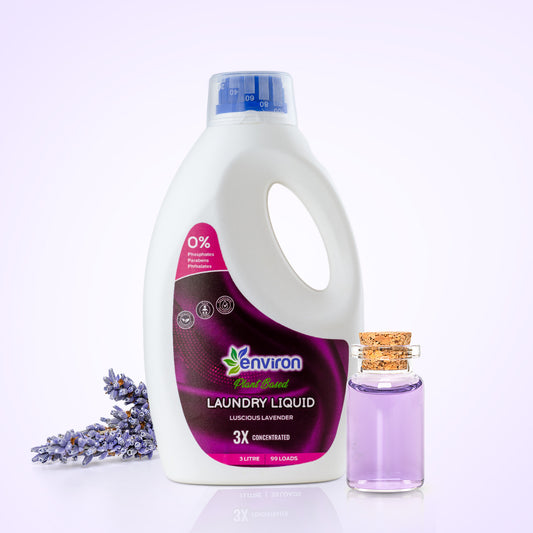
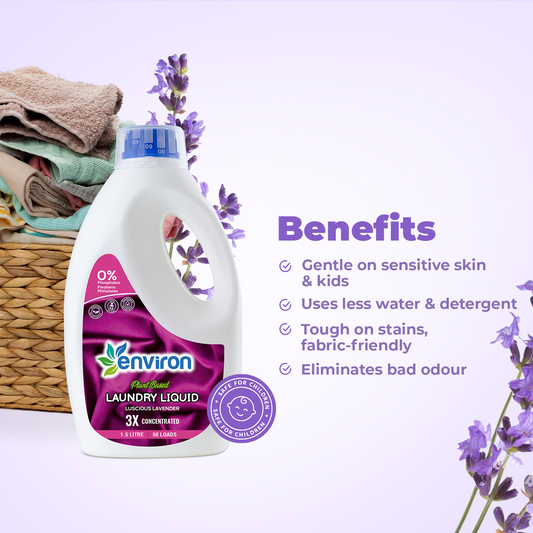
Choosing the right laundry liquid is just as important as following the right washing routine. If you are looking for a plant-based alternative for your everyday laundry, Environ Plant-Based Laundry Liquid is worth considering.
It combines plant-based surfactants with a bio-enzyme blend to help clean fabrics and tackle everyday stains. Its formulation is made without bleach, chlorine, ammonia, optical brighteners, phthalates, parabens, formaldehyde, dyes and synthetic fragrances.
You also get two options to suit your preference:
-
Scent-Free: For those who prefer their laundry without added synthetic fragrance.
-
Lavender: For those who enjoy a fragrance in their freshly washed clothes.
Environ offers an alternative for households looking to make more considered choices about the ingredients in their laundry products, without overlooking everyday cleaning needs.
With the right washing habits and a laundry liquid that suits your preferences, caring for your white thobes can become a more thoughtful part of your everyday routine.
Your White Thobe Washing Checklist
| Before washing | During washing | After washing |
|---|---|---|
| Separate whites from coloured clothes | Use the recommended detergent quantity | Check whether stains have disappeared |
| Check collars and cuffs for stains | Avoid overloading the machine | Dry the thobe completely |
| Check the garment care label | Choose a suitable wash cycle | Store in a dry, ventilated space |
Keeping Your White Thobes Looking Fresh
Keeping white thobes bright is not about relying on bleach or adding more detergent to every wash. It comes down to a combination of good washing habits, the right amount of product and a laundry liquid that suits your needs.
So, the next time your white thobe comes out looking a little dull, look beyond the wash cycle. Pay attention to how you wash it and take a moment to understand the ingredients in your washing liquid.
A few thoughtful choices can make your everyday laundry routine more informed.
References:
-
Gotoh, K., Horibe, K., Mei, Y., & Tsujisaka, T. (2016). Effects of water hardness on textile detergency performance in aqueous cleaning systems. Journal of Oleo Science, 65(2), 123–133. https://doi.org/10.5650/jos.ess15168
-
Hashem, A., Farag, S. Cotton bleaching: evolution, current practices and future perspectives. Int J Adv Manuf Technol (2025). https://doi.org/10.1007/s00170-025-16185-4