
Handwashing is one of the most repeated habits in any home.
It happens before meals, after playtime, after coming indoors and countless times throughout the day.
For parents, caregivers and people with sensitive skin, a quiet question often begins to surface:
Is the handwash liquid we use every day actually suitable for frequent use?
This concern rarely comes from a single bad experience.
It builds slowly through everyday routines.
The Qatar Factor: Why Our Skin Feels Different Here
In Qatar, our daily routine often moves between extreme outdoor heat and constant, dry indoor air conditioning. This environment already puts stress on our skin. When you add frequent handwashing to remove desert dust or household germs, the skin rarely gets enough time to rebalance. In these conditions, the formulation of your soap matters just as much as the act of washing itself.
Have You Noticed "Desert Dryness" After Washing?
Have you ever washed your hands and noticed dryness, tightness or mild discomfort afterwards? It may not happen immediately.
-
It often appears after several washes in a single day.
-
It becomes noticeable during long days spent in air-conditioned spaces.
-
In homes with babies or sensitive adults, these changes are noticed much sooner.
Most people assume this dryness is "normal," but it is actually a sign that your skin's natural moisture barrier is being stripped away faster than it can recover.
You may also find it useful to read Why Is My Handwash Making My Skin Itchy?, which explores common reasons skin reacts to everyday handwashing.
Why Baby Skin and Sensitive Skin React Faster
Baby skin is naturally more delicate. Sensitive adult skin behaves similarly.
With less natural buffering, small formulation differences can feel uncomfortable more quickly. That is why parents and wellness-conscious adults are often the first to question whether a handwash truly suits daily routines.
This is not about diagnosing conditions.
It is about understanding how different skin types experience frequent exposure.
For a broader look at how daily cleaning choices affect children and pets, you may also find Non-Toxic Cleaners Safe for Kids and Pets helpful.
Common Issues People Notice With Everyday Handwash Use
At first, most people don't question their handwash because it seems to work:
-
Hands look clean: It effectively removes dirt and grime.
-
The product smells pleasant: Synthetic fragrances provide an instant "fresh" scent.
-
The routine feels familiar: We are used to the heavy foam and "squeaky" feeling.
However, with repeated daily use, subtle signs of irritation begin to surface:
-
Dryness and Tightness: That "clean" feeling is often actually your skin’s natural oils being stripped away.
-
Cumulative Discomfort: While the first wash feels fine, the tenth wash leaves skin feeling raw or sensitive.
-
Climate Sensitivity: In Qatar’s air-conditioned spaces, harsh soaps make it harder for skin to stay hydrated.
In homes with children, these signs are often noticed sooner.
Kids wash their hands more often and parents begin wondering why their hands feel different even though nothing else has changed.
These changes are gradual.
They build with daily repetition.
Why Plant-Based Handwash Works Better for Daily Family Use
When you wash your hands multiple times a day, gentleness becomes just as important as cleanliness.
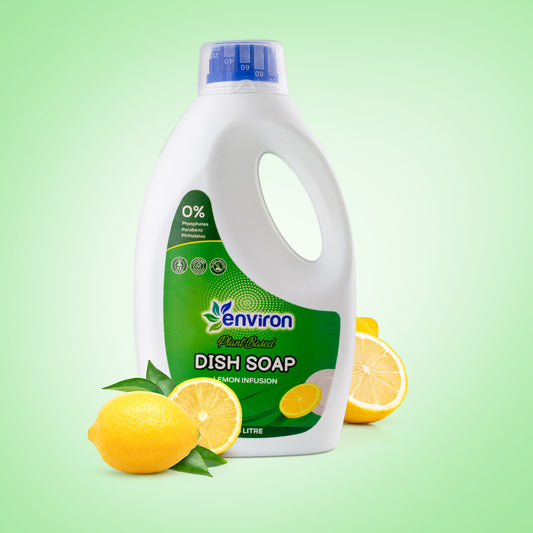
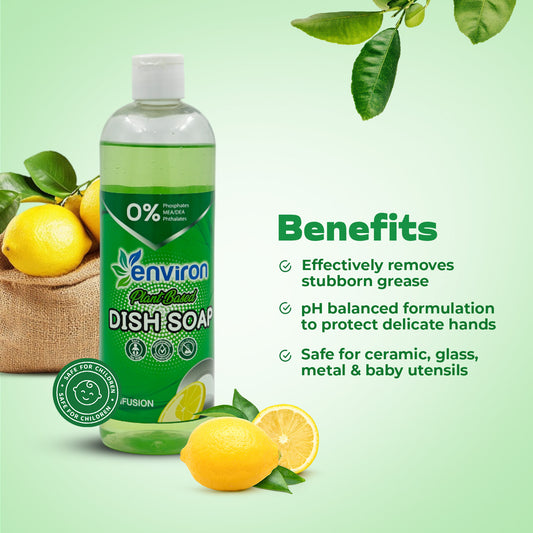
The same principle applies to everyday products like dish soap, where repeated skin contact makes formulation choices more noticeable over time.
Plant-based handwash formulations clean using plant-based surfactants that gently lift dirt and impurities rather than relying on aggressive cleansing action. This makes them better suited for frequent use in modern homes.
With regular daily washing, plant-based formulations are commonly associated with:
-
Easier rinsing without heavy residue
-
More consistent comfort over time
-
Better suitability for repeated everyday use
This does not mean weaker cleaning.
Plant-based handwash formulations are designed to be just as effective as conventional handwash for everyday hygiene, while being easier to live with when used repeatedly.
Plant-Based vs Conventional Handwash for Daily Use
|
Aspect |
Conventional Handwash |
Plant-Based Handwash |
|
Cleaning style |
Often designed for strong immediate cleansing |
Designed for balanced daily cleansing |
|
Behaviour with frequent use |
May feel dry over time for some users |
Better suited for repeated daily handwashing |
|
Residue after rinsing |
Can build up with repeated use |
Typically rinses clean more easily |
|
Fragrance impact |
Often relies on a strong fragrance |
Keeps fragrance mild and controlled |
|
Family suitability |
May not suit all skin types |
More aligned with family routines |
|
Daily routine fit |
Often optimised for occasional use |
Designed for everyday household use |
What to Look for in a Handwash Used Every Day
When a handwash or washing liquid is used many times a day, the decision is less about bold claims and more about long-term behaviour.
A handwash suited for everyday use usually focuses on:
-
Balanced Cleansing: Cleaning without the "squeaky dry" feeling.
-
Easy Rinsing: Ensuring no chemical residue is left on a baby’s hands.
-
Mild Scent: Avoiding overpowering fragrances that can trigger sensitivities.
How Environ Fits These Everyday Needs
Environ is designed specifically for this balance. By using plant-based surfactants, mineral salt and essential oils, it cleans by gently lifting dirt rather than relying on harsh cleansing action. Following recognised standards such as GreenPro, IFRA and WHO GMP, this formula is suitable for frequent daily handwashing, especially in homes with babies or sensitive adults.
This commitment to gentleness does not mean a compromise on hygiene, Environ is designed to be just as effective as conventional handwash while remaining comfortable, even with repeated washing.
Explore Environ’s plant-based handwash for everyday family use.
Final Thought
Hand hygiene is a daily habit, not a one-time decision. When handwash liquids are designed with repetition, exposure and comfort in mind, they fit more naturally into everyday life. For families, sensitive adults and households in Qatar living in air-conditioned environments, that balance makes a meaningful difference.
Clean hands should feel comfortable every time.