
Quick Answer
To wash pet bedding without excess detergent residue, use the recommended amount of laundry liquid, avoid overloading the machine and rinse thoroughly. Choose a laundry product with a considered ingredient list, as pets, including cats, may encounter residues through their skin and grooming habits.
Your cat may have a favourite blanket, cushion or corner of the sofa. It might also have a habit of grooming itself immediately after settling down. That second detail is worth remembering when washing pet bedding.
Cats do not only come into contact with fabrics through their skin. They also groom their coats and paws. So, when cleaning your cat’s bedding, it makes sense to think beyond removing visible fur and stains. The detergent you use, how much you add and how well the fabric is rinsed all deserve attention.
Here is how to get pet bedding properly clean without using more laundry detergent than necessary.
Why Is It Necessary To Wash Pet Bedding Regularly?

Your cat's favourite sleeping spot collects more than just fur. Over time, pet bedding can accumulate:
-
Loose fur and dander: These naturally collect as cats shed.
-
Body oils: Contact with your cat's coat can leave oily deposits on the fabric.
-
Saliva: Cats groom themselves frequently and some saliva can transfer onto their bedding.
-
Outdoor dirt: Cats that spend time outdoors may bring dust and dirt back to their favourite resting places.
-
Occasional messes: Food spills, litter particles or other accidents can make their way onto blankets and beds.
This is why a blanket that looks relatively clean may still need washing.
The US Centers for Disease Control and Prevention (CDC) recommends washing pet beds and blankets weekly. It also advises cleaning them more frequently when they are visibly dirty or have an unpleasant smell.
A regular washing routine helps manage the everyday buildup but the product and washing method you use matter just as much.
How to Wash Pet Bedding and Blankets: A Step-by-Step Guide
Washing pet bedding involves more than putting a blanket in the machine and adding detergent. A few simple preparation and washing steps can help remove accumulated dirt while avoiding unnecessary detergent residue.
Step 1: Check the Care Label
Before washing, check the manufacturer's care instructions. Not all pet bedding is made from the same material and some items may not be suitable for machine washing.
Look for instructions about:
-
Machine washing or hand washing.
-
Recommended water temperature.
-
Suitable washing cycles.
-
Tumble drying or air drying.
-
Whether the inner filling can be washed.
If the bedding has a removable cover, check whether the cover and inner cushion have separate washing instructions.
Step 2: Remove Loose Pet Hair Before Washing
Pet hair can become trapped in fabric fibres, seams and corners. Removing as much loose hair as possible before washing helps prevent it from collecting inside the washing machine.
You can:
-
Shake the blanket outdoors to loosen fur and dust.
-
Use a lint roller, fabric brush or pet-hair remover to lift hair from the surface.
-
Pay attention to seams, folds and corners where fur tends to collect.
-
Remove visible dirt and debris before placing the bedding in the machine.
Avoid putting heavily fur-covered bedding directly into a tightly packed load. For hair-heavy loads, follow your washing machine manufacturer's guidance on cleaning the drum and filter.
Step 3: Treat Visible Stains Before Washing
Food spills, saliva, mud and other marks may need attention before the regular wash.
For heavily soiled bedding, follow the product and fabric instructions rather than simply adding more detergent to the washing machine.
Step 4: Measure the Right Amount of Laundry Detergent
Adding extra detergent does not automatically make bedding cleaner. Using more than the recommended amount can make it harder for the washing machine to rinse the fabric properly.
Measure the laundry liquid according to its label, taking the load size and level of soiling into account.
Step 5: Rinse the Bedding Thoroughly After The Wash
Rinsing after wash helps remove washing liquid and loosened dirt from the fabric. Make sure the selected cycle includes an appropriate rinse.
An additional rinse may be useful if you have accidentally used too much detergent, the bedding is particularly bulky or soapy water remains after washing. However, it is not necessary for every load.
Step 6: Dry the Bedding Completely
Once the wash is complete, dry the bedding according to its care instructions.
Pay particular attention to thick blankets, padded beds and inner cushions. Their outer fabric may feel dry while the filling still holds moisture.
Check seams, folds and inner padding before returning the bedding to your pet.
How to Wash Different Types of Pet Bedding and Blankets
Different types of pet bedding need slightly different care. The material, thickness and construction can all affect how you should wash them.
Removable Covers
If your pet's bed has a removable cover, take it off before washing. Check its care label and wash it according to the recommended temperature and cycle.
Wash the inner cushion separately only if its care instructions allow it. This also makes it easier to dry both parts properly.
Thick Blankets and Washable Mats
Thick blankets can hold more water and may need additional space inside the washing machine.
Shake out loose fur before washing, avoid overloading the drum and select a cycle suitable for the material. Make sure the blanket is fully dry, including its folds and thicker sections.
Padded Beds and Cushions
Padded bedding needs extra attention because its filling can retain moisture and detergent.
Check whether the entire bed is machine-washable or whether only its outer cover can be removed and cleaned. If the filling is not washable, follow the manufacturer's cleaning instructions instead of putting the complete bed into the machine.
Waterproof or Protective Bedding
Some pet bedding has a waterproof backing or protective layer. High temperatures or unsuitable washing methods may affect these materials.
Always check the care label before washing. Use the recommended cycle and drying method to help maintain the bedding's construction.
Can Laundry Detergent Residue Be Harmful to Pets?
Pets can come into contact with substances through their skin, mouth and grooming habits. Cats, for example, regularly groom their coats and paws, which means substances on their fur may also be swallowed.
A review published in Veterinary and Human Toxicology discusses grooming soiled fur and feet as a route through which small animals may ingest household products. A study published in Elsevier explains that common anionic surfactants in detergents generally cause mild irritation when animals are exposed to them.
However, this does not mean that every trace of washing detergent on a washed blanket is dangerous. The type of substance, its concentration, the amount involved and the route of exposure all matter. Exposure to concentrated laundry products is also different from contact with a properly washed and rinsed fabric.
The practical takeaway is to use laundry products as directed, avoid unnecessary detergent use, rinse bedding appropriately and keep concentrated products away from pets. If you suspect your pet has swallowed detergent or is showing signs of illness after exposure, contact a veterinarian.
What Should You Look for in Laundry Products for Pets?
Every laundry liquid is made with a combination of ingredients that perform different jobs. Some help lift dirt and oils from fabric, while others may add fragrance, colour or other product properties. If a little of the residue remains in the fibres after rinsing, these ingredients may also remain in small amounts.
For bedding that your cat regularly sleeps on and grooms around, it is worth paying attention to the formulation. Added fragrances and dyes, for instance, may be unnecessary if your priority is keeping your pets away from residue-related health issues.
This is where plant-based liquid detergents offer another option. Instead of relying entirely on petroleum-derived raw materials, they use ingredients sourced from plants for their cleaning functions. Plant-derived surfactants, for example, help loosen dirt and oils so they can be washed away.
That does not automatically make every plant-based product suitable for every pet. The complete formulation still matters. But choosing a laundry liquid made with plant-derived cleaning ingredients and a considered ingredient list can be a useful starting point when deciding what to use on your pet's bedding.
A More Considered Choice for Everyday Pet Laundry
Your cat spends hours curled up on its favourite blanket. It deserves a clean, comfortable place to rest, and the laundry liquid you choose is part of that care.
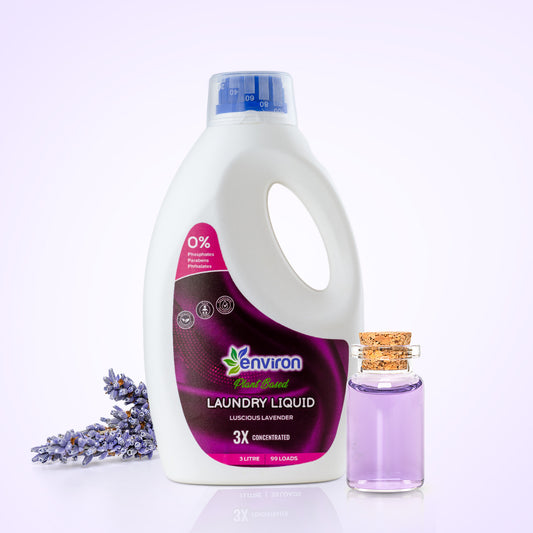
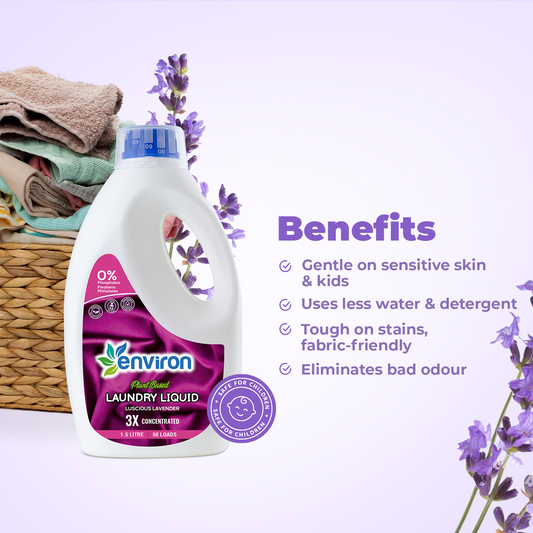
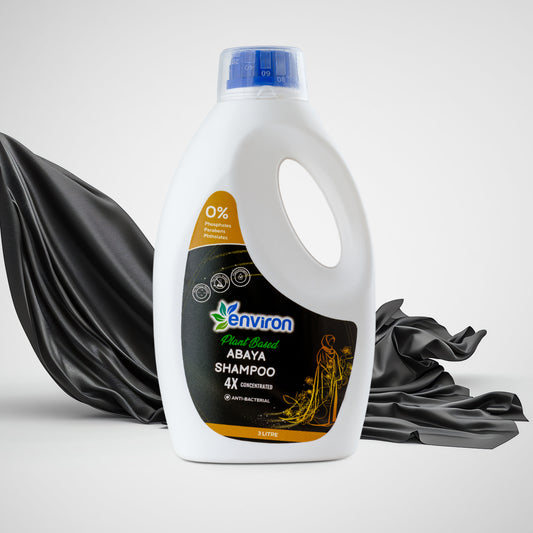
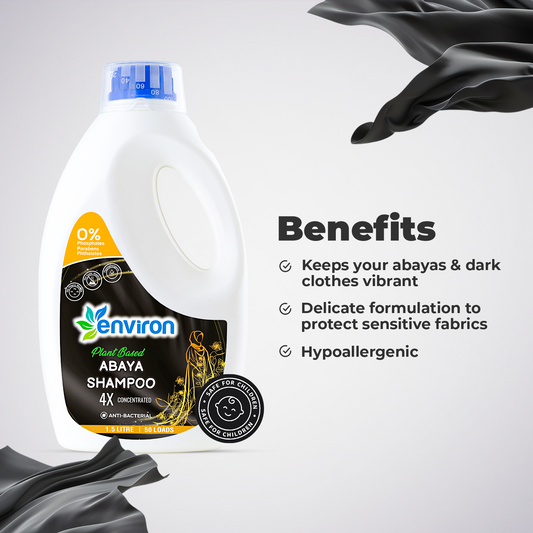
That is where Environ Plant-Based Laundry Liquid comes in. Made with plant-based surfactants and a bio-enzyme blend, it helps clean everyday laundry while keeping the formulation in mind. It is made without synthetic fragrance, dyes, bleach, chlorine, ammonia, formaldehyde, optical brighteners, phthalates or parabens.
Available in Scent-Free and Lavender variants, Environ gives you the option to choose what suits your household and pets.
Caring for your cat is not just about the food you serve or the bed you buy. It is also about the little everyday choices that make its surroundings feel like home.
A Clean Blanket, A More Thoughtful Routine
Your cat might never notice the laundry liquid you use, but you can be more mindful of what goes into washing the blanket it loves. Choose your laundry products carefully, follow the right dosage, rinse thoroughly and make sure the bedding is completely dry before putting it back.
Sometimes, caring for the ones who depend on us begins with the simplest things, even a freshly washed favourite blanket.
References
-
Coppock RW, Mostrom MS, Lillie LE. The toxicology of detergents, bleaches, antiseptics and disinfectants in small animals. Vet Hum Toxicol. 1988 Oct;30(5):463-73. PMID: 3055653.
-
Effendy, M. I., & Maibach, M. H. I. (1996). Detergent and skin irritation. Clinics in dermatology, 14(1), 15-21. https://doi.org/10.1016/0738-081X(95)00103-M
-
ABCD. (2015). Disinfectant choices in veterinary practices, shelters and households: ABCD guidelines on safe and effective disinfection for feline environments. PubMed Central
-
Centers for Disease Control and Prevention. (2026). About cleaning and disinfecting pet supplies. CDC