
Short Answer
If clothes feel rough or uncomfortable even after using fabric softener, the most common reason is detergent residue left in the fabric after washing. Overloaded washing machines, poor rinsing, or using too much detergent can prevent fabrics from feeling soft, even when fabric conditioner is added. When detergent rinses cleanly and fabric conditioner is used in the right amount, clothes usually feel noticeably softer and more comfortable after drying.
But why does this happen so often?
Understanding what happens inside the washing cycle explains why fabric softener sometimes feels ineffective.
Why Fabric Softener Doesn’t Always Fix the Rough Clothes Problem
Many households add fabric conditioner, expecting one simple result: softer clothes.
But when clothes still feel scratchy or coated after washing, it can feel like the product didn’t work.
Here’s the key point:
Softness is not created by fabric softener alone, it depends on how the entire wash cycle works.
Several factors influence how fabrics feel after washing:
-
the type of detergent used
-
how much detergent is added
-
how cleanly the wash cycle rinses away leftover detergent
-
how fibres are treated during washing
That’s why the same laundry conditioner may work perfectly in one home but feel less effective in another.
Detergent Residue Is the #1 Reason Clothes Feel Stiff
One of the most common causes of rough clothes is detergent residue trapped in the fabric.
Even a good fabric softner cannot fully fix detergent buildup trapped in fabrics.
If the detergent does not rinse out properly, softness cannot last.
Residue usually happens when:
-
too much detergent is used
-
the wash cycle is too short
-
the washer is packed too tightly
-
water cannot circulate through fabrics properly
When this happens, clothes may feel:
-
rough instead of soft
-
heavy instead of breathable
-
slightly coated after drying
If softness disappears quickly, detergent residue is often the first thing to check.
Signs Your Laundry Routine Is Causing Rough Clothes
If clothes regularly feel uncomfortable after washing, certain signs often point to problems in the laundry routine.
Common indicators include:
-
clothes feel rough immediately after drying
-
towels feel stiff instead of soft
-
fabrics feel slightly coated or heavy
-
softness disappears after one or two washes
-
strong detergent smell remains in fabrics
When these signs appear consistently, the cause is usually detergent buildup, poor rinsing or excessive product use.
Adjusting Detergent quantity, allowing enough space in the washer, and improving rinsing often restores softness quickly.
Using Too Much Fabric Softener Can Make Clothes Feel Heavy
This may sound surprising, but it happens often.
Using more fabric conditioner than needed can leave a light layer on clothes.
At first, fabrics may feel slippery, but after drying, they may feel:
-
sticky
-
dull
-
less breathable
Softness should feel light, not coated.
The goal is not to use more product, it is to use the right amount.
Still unsure what fabric softener is right for your family?
Read: Is Fabric Softner Safe for Sensitive Skin and Kids? What Families Should Know
Laundry Habits That Quietly Reduce Softness
Sometimes the problem is not the product, it is the routine.
Certain habits gradually reduce softness:
-
washing clothes with very hot water
-
using high spin speeds constantly
-
drying clothes for too long
-
rewashing clothes just because they don’t feel fresh
Over time, these habits weaken fibres.
Laundry habits often influence softness more than the product itself.
If clothes still feel rough after washing, improving the detergent and rinse routine often makes the biggest difference.
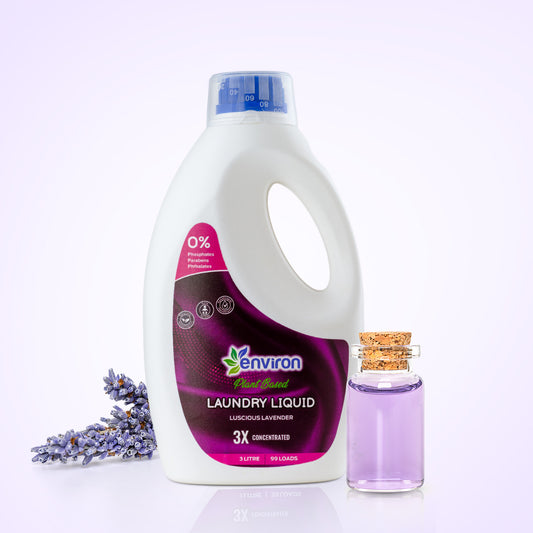
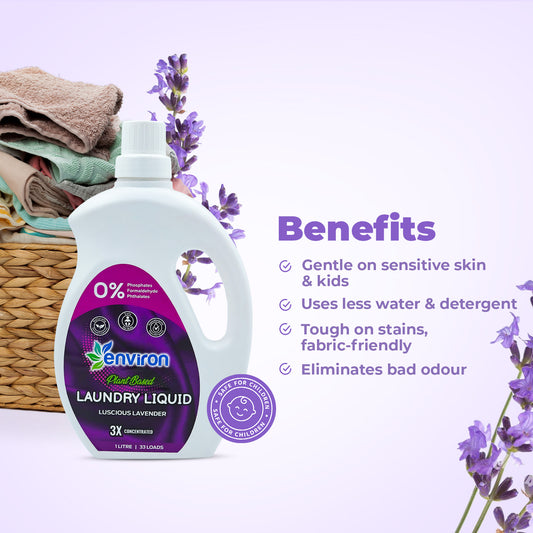
Explore Environ’s Plant-Based Laundry Liquid for a cleaner-rinsing, more comfortable wash.
Some Fabrics Hold Residue More Easily
Not all fabrics behave the same way during washing.
Some materials naturally hold detergent residue more easily, including:
-
towels
-
athletic wear
-
abayas and darker garments
-
bedding
This is why softness can sometimes feel inconsistent between loads.
Maintaining softness is really about protecting fabric texture, not simply adding fragrance.
Even when detergent and softener are used correctly, a few other factors inside the laundry process can still affect softness.
Other Reasons Clothes May Feel Rough After Washing
Even when fabric softener is used correctly, clothes may still feel rough if other parts of the laundry routine are not balanced.
Hard Water Minerals
In some areas, water contains minerals such as calcium and magnesium.
These minerals can settle into fabrics and make clothes feel:
-
slightly stiff
-
dull instead of fresh
-
heavier after drying
Proper rinsing and balanced detergents help reduce this effect.
Overloading the Washing Machine
Overloading is one of the most common laundry mistakes.
When the washer is packed too tightly:
-
water cannot circulate properly
-
detergent may not rinse out completely
-
fabrics can trap residue
Leaving enough space in the washer improves both washing and rinsing.
Using More Detergent Than Needed
Many people assume more detergent means cleaner clothes.
In reality, excess detergent often remains inside fabric fibres.
This can make clothes feel:
-
coated
-
less breathable
-
rougher instead of softer
Measuring detergent correctly often restores softness faster than adding more fabric softener.
Frequent Washing and Fabric Wear
Clothes that are washed very often gradually experience:
-
heat
-
spinning
-
friction
These factors slowly affect fibre texture.
This is especially noticeable with:
-
everyday clothing
-
bedding
-
athletic wear
-
darker fabrics
Gentler washing temperatures help fabrics maintain their natural feel.
In most homes, softness is the result of the entire laundry routine working together.
How Detergent and Fabric Conditioner Work Together
Understanding the role of each product helps improve laundry results.
-
laundry detergent removes dirt, oils and everyday buildup.
-
Fabric conditioner improves how clothes feel after drying by reducing roughness.
If fabrics are not cleaned and rinsed properly during washing, the softening step cannot fully fix the problem.
The best results usually come from pairing:
-
a detergent that rinses clean
with
-
the right amount of fabric conditioner.
Conventional Fabric Conditioner and Plant-Based Fabric Conditioner
Over time, households often notice differences between conventional fabric conditioners and plant-based alternatives.
Softness is not only about fragrance but it also depends on how fabrics behave after many wash cycles.
Why the Fabric Conditioner You Choose Makes a Difference
At this stage, many households realise the issue is not just the fabric softener itself, but how the entire laundry routine works together.
Once detergent rinses properly and washing habits are balanced, the type of fabric conditioner used can also influence how clothes feel after drying.
Some conditioners focus mainly on fragrance, while others are designed to help maintain softness and fabric comfort across repeated washes.
Understanding this difference helps households choose products that work better for their laundry routine.
How Plant-Based Fabric Conditioner Helps Clothes Stay Soft
Once the wash cycle rinses clean, the right fabric conditioner helps clothes feel smoother after drying.
Because of this, many households today prefer fabric conditioners made with plant-derived softening ingredients designed to soften fabrics without leaving a heavy coating.
Environ’s Plant-Based Fabric Conditioner follows this approach.
It uses plant-based surfactants, Enzymes and Essential oils to help clothes feel smoother and fresher while maintaining comfort in daily wear.

The formula avoids ingredients such as:
-
phthalates and parabens
-
bleach and chlorine
-
formaldehyde and VOCs
-
heavy metals and more
What users often notice:
-
helps reduce fading and shrinking
-
delivers up to 4× more washes
-
leaves a fresh scent after washing
When paired with a balanced detergent routine, this type of fabric conditioner helps maintain softness without creating a heavy feel.
Environ’s approach follows recognised standards, including GREEN PRO, IFRA and WHO GMP.
Final Thought
If clothes feel uncomfortable after washing, fabric softener is rarely the only reason.
Most of the time, the real cause is:
-
detergent residue
-
excess laundry product
-
washing habits that stress fabric
When washing detergent rinses cleanly and fabric conditioner is used in the right amount, clothes usually feel noticeably softer and more comfortable.
Want clothes that feel comfortable after washing?
Discover Environ Plant-Based Laundry Liquid
Frequently Asked Questions
Why do my clothes still feel rough even after using fabric softener?
The most common reason is detergent residue left inside the fabric after washing. Overloaded washing machines or poor rinsing can trap detergent in fibres and make clothes feel stiff or coated.
Can using too much fabric conditioner make clothes feel worse?
Yes. Excess fabric conditioner can leave a coating on fabrics. While clothes may feel soft initially, they can become heavier or less breathable after drying.
Does laundry detergent affect fabric softness?
Yes. Detergent removes dirt and oils during washing. If it does not rinse out properly, residue can remain in fabrics and make clothes feel stiff or coated.
Should I change my detergent if clothes feel coated?
Reducing detergent dosage, improving rinsing or switching to a cleaner-rinsing detergent often improves fabric feel.
What is the difference between detergent and fabric conditioner?
Detergent cleans fabrics by removing dirt and oils. Fabric conditioner works during the rinse cycle to improve softness and fabric feel.
How can I keep clothes soft after many washes?
Measure detergent correctly, avoid overloading the washer, rinse thoroughly and use fabric conditioner in moderation.