
Short Answer
Regular kitchen cleaners rely on chemical-based ingredients designed for quick, visible results. While effective at removing grease instantly, they can sometimes require more thorough rinsing and may leave a light after-residue if not washed off properly. Since kitchen surfaces and utensils come into direct contact with food, even small traces left behind with repeated use can start to matter over time. This is where plant based kitchen cleaners take a more balanced approach. They use plant-derived surfactants and balanced formulations that clean effectively while rinsing more easily, helping maintain a more consistent, residue-free experience in everyday kitchen use.
You wash your utensils daily. But does your dishwashing liquid rinse as completely as it seems?
Everything looks clean after washing.
Plates shine. Glassware looks clear. Surfaces appear fresh.
But kitchen cleaning is not only about what you can see.
It is also about what remains after rinsing.
Because utensils, plates and kitchen surfaces come into direct contact with food again and again, often immediately after washing.
This is where the real question begins.
Not just whether something looks clean, but whether it is ready to use comfortably after every wash.
If this has never been considered before, start by paying attention to how utensils feel right after rinsing.
Why Kitchen Cleaning Needs a Different Level of Attention
Kitchen cleaning works differently from products used in other parts of the home.
In the kitchen, cleaning is not limited to surfaces.
It includes:
-
Utensils
-
Plates
-
Cutting boards
-
Food-contact areas
These are used repeatedly and often shared across everyone in the household.
So the focus shifts from visible cleanliness to safe and consistent cleaning for everyday use.
What Makes a Cleaner for Kitchen Safe Around Food
A kitchen cleaner is reliable for daily use when it supports both effective cleaning and safe reuse.
-
It rinses off easily
-
It leaves minimal after-residue
-
Surfaces feel clean and neutral after washing
This becomes especially important in homes where utensils and surfaces are reused quickly throughout the day.
The Part Most People Miss: Residue After Washing
Most people judge cleaning by how well something removes grease.
But what happens after rinsing matters just as much.
Sometimes, even after washing:
-
Plates may feel slightly slippery
-
Glassware may not feel completely clean or natural when touched
-
Surfaces may have a light after-layer
These are subtle signs.
Not always visible but easier to recognise with repeated daily use.
This usually happens because some regular dishwashing liquids use stronger chemical-based surfactants designed for quick grease removal. These can require more rinsing and may leave a light after-layer if not washed thoroughly.
What looks clean is not always completely clean when it comes to reuse
Why This Happens: Understanding Residue and Rinsing
Cleaning products are designed to break down grease, oil and food particles.
To do that, they use active cleaning agents that interact with surfaces during washing.
In closed indoor environments, what remains after cleaning can stay within the same space for longer than expected.
The difference comes after rinsing.
If a formulation is heavier or requires more water to rinse completely, a light after-layer can remain if it is not rinsed off properly.
In fast-paced kitchen routines, where utensils are washed and reused quickly, this becomes more noticeable.
This is why rinse behaviour is just as important as cleaning performance.
Why “Foam = Clean” Is Not Always True
Foam creates a strong visual signal.
More foam often feels like better cleaning.
But foam only indicates activity, not how well something rinses.
What matters more is:
-
How easily the product washes away
-
How the surface feels during reuse
A properly cleaned plate should feel smooth and neutral, not slippery or coated.
This applies whether using dishwashing liquid or dish soap.
How Kitchen Cleaning Behaves Across the Day
Kitchen cleaning is continuous.
It repeats through:
-
Cooking
-
Washing utensils
-
Cleaning surfaces again
With repeated cycles, small differences become more noticeable.
By the end of the day:
-
Utensils may not feel the same as earlier
-
Surfaces may feel slightly different
This is where consistency matters more than strength.
Why This Feels Different in Qatar Homes
In Qatar, daily living conditions influence how cleaning behaves.
-
Most homes are air-conditioned
-
Cooking happens indoors
-
Utensils are reused frequently
Water behaviour and rinsing patterns can also affect how surfaces feel after washing.
In these conditions, a cleaner that rinses cleanly and consistently becomes more important.
How to Check If Your Kitchen Cleaner Is Leaving Any Residue?
You do not need technical tests.
Just observe simple things:
-
Does it rinse easily?
-
Do utensils feel neutral after washing?
-
Is there any noticeable after-feel?
A good kitchen cleaner should leave utensils and surfaces clean, smooth and free from any slippery or coated feeling.
Cleaner for Kitchen vs Regular Cleaning Products: What Changes Over Time
Why Dishwashing Liquid Plays a Central Role in Kitchen Safety
Dishwashing liquid is used directly on:
-
Utensils
-
Plates
-
Cookware
-
Food-contact surfaces
Because of this, it becomes part of everyday food preparation.
That is why:
-
Rinsing behaviour
-
Surface feel after washing
-
Consistency across repeated use
matter more than most people realise.
The Role of Non Toxic and Chemical Free Cleaning Products in Kitchens
This is where:
-
Chemical free cleaning products
-
Non toxic household cleaners
become more relevant.
They are designed for:
-
Frequent use
-
Quick reuse
-
Consistent performance
The focus is not just cleaning, but how cleaning behaves across the day.
This becomes easier to notice when cleaning starts affecting your hands over time, something many people only realise later.
How Environ Kitchen Products Support Everyday Cleaning
Once these differences become noticeable, product choice becomes about consistency.
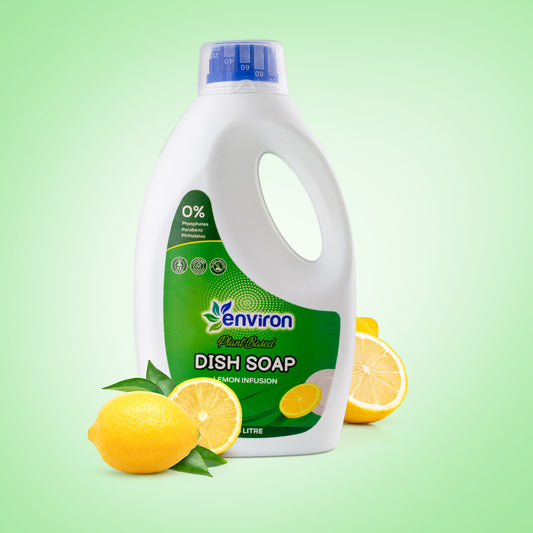
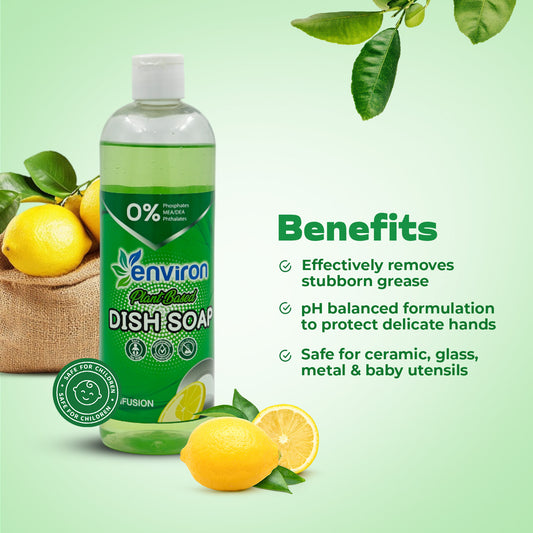
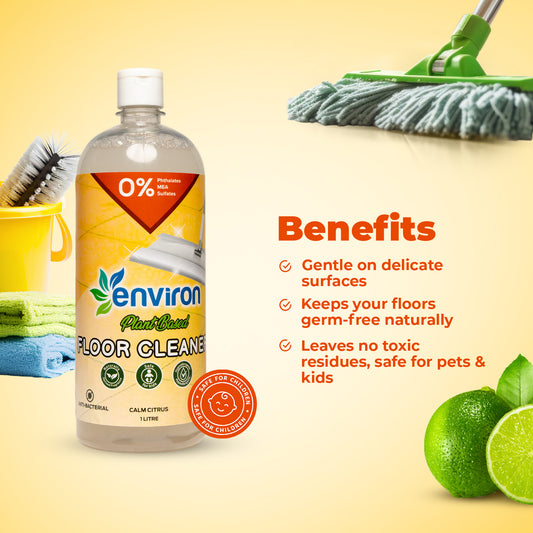
Environ’s plant based cleaning range is designed for everyday kitchen use where cleaning happens repeatedly.
-
Removes grease effectively
-
Rinses without heavy after-feel
-
Supports frequent use
-
Suitable for kitchen surfaces
-
Leaves minimal residue
-
Maintains neutral surface feel
-
Designed for daily cleaning
-
Avoids buildup over time
-
Works well in active households
-
Gentle for repeated use
-
Supports daily hygiene routines
Using the right combination of products helps maintain consistency across the entire kitchen routine.
Why This Matters in Daily Kitchen Use
Kitchen cleaning happens multiple times a day.
That is why consistency matters more than intensity.
Using plant based cleaning products helps maintain:
-
Stable cleaning results
-
Neutral-feeling surfaces
-
A smoother daily routine
When Should You Rethink Your Kitchen Cleaning Routine
You may not notice it immediately.
But over time:
-
Surfaces feel slightly different
-
Results feel inconsistent
-
Cleaning requires more attention
These are usually early signs that the routine needs adjustment.
Conclusion: What Really Matters in Kitchen Cleaning
Kitchen cleaning is not just about how things look.
It is about how they perform after every wash.
Over time, small daily cleaning choices can have a larger impact than we usually notice.
A cleaner for kitchen use should support:
-
Consistent results
-
Clean, neutral surfaces
-
Reliable everyday use
As more homes move toward non toxic cleaning products and chemical free cleaning products, the focus is shifting toward consistency.
If your routine does not feel the same by the end of the day, it may be time to rethink how your cleaner is working.
FAQs
1. How do I know if my kitchen cleaner is safe around food?
A cleaner for kitchen use is safe when it rinses off completely and leaves no noticeable residue on utensils and food-contact surfaces after washing. You can usually notice this by how surfaces feel when reused shortly after cleaning.
2. Why do utensils sometimes feel different even after washing?
This usually happens when a light after-layer remains after rinsing. It may not be visible but over repeated use, surfaces can feel slightly different when touched or reused.
3. Can dishwashing liquid leave residue on plates and glasses?
Some dishwashing liquids may leave a light after-feel if not rinsed thoroughly. This is more noticeable when utensils are reused quickly during the day.
4. What should a good cleaner for kitchen surfaces do?
A good cleaner for kitchen use should clean effectively, rinse easily and leave surfaces feeling neutral and ready for immediate use without any noticeable after-feel.
5. Are non toxic cleaning products better for everyday kitchen use?
Non toxic cleaning products are designed for frequent, everyday use and are often preferred in routines where surfaces come into regular contact with food, children and pets.
6. Why are plant based cleaning products considered a better option for kitchens?
Plant based cleaning products are typically designed to rinse more easily and support a more consistent cleaning experience, especially in kitchens where surfaces are used