
Quick Answer
Yes, common household cleaning products can be one of several factors that may contribute to skin and breathing discomfort in some households. Repeated contact with cleaning products through clothing, bedding, household surfaces and indoor air means exposure can continue long after cleaning is finished. This is one reason more families are paying closer attention to the products they use every day.
If you've ever wondered why your hands feel dry after cleaning, why freshly washed fabrics sometimes feel uncomfortable against the skin or why strong cleaning smells seem overwhelming indoors, the answer may not be as straightforward as it appears.
Key Takeaways
-
The products used to clean your home can continue to interact with your skin, clothes, bedding and indoor environment long after cleaning is finished.
-
Dry hands, redness, itching and sensitivity to strong cleaning fragrances are often dismissed as minor issues or blamed on other factors.
-
Many people pay close attention to skincare ingredients but rarely think about the products used on fabrics that stay in contact with their skin every day.
-
Families with children, pets, allergies, asthma or sensitive skin are increasingly paying attention to how cleaning products fit into overall household comfort.
-
Growing awareness around household cleaning ingredients and everyday exposure is encouraging more consumers to look beyond cleaning performance alone.
Can Cleaning Products Contribute to Skin and Breathing Discomfort?
Yes, common household cleaning products can be one of several factors that may contribute to skin and breathing discomfort in some households. Because these formulations are used across so many areas of the home and multiple times a day, their compounding effects can be incredibly easy to miss. Instead of causing an immediate or dramatic reaction, the first clues are typically subtle, creeping into daily life as minor household discomforts that families rarely trace back to their maintenance routine.
The Signs Many Families Overlook
For many families, the first signs are subtle.
A pair of hands that feel rough after cleaning. Skin that feels uncomfortable after handling freshly washed laundry. A preference for opening a window after using strongly scented cleaners.
Because these signs develop gradually, most people never connect them to the products they use every day.
In some households, these concerns may feel more noticeable when a family member already deals with sensitive skin, allergies or breathing sensitivities. This can be particularly relevant for families with young children or household members who live with conditions such as asthma or allergies, where overall indoor comfort often becomes a bigger consideration. This is one reason awareness around everyday cleaning exposure continues to grow.
Signs of Skin Discomfort That Often Go Unnoticed
-
Dry or rough hands after cleaning
-
Redness that appears without an obvious cause
-
Itching after contact with freshly washed fabrics
-
Skin irritation that comes and goes
-
A feeling that the skin has become more sensitive over time
For some people, these experiences may feel occasional, while others notice that their skin seems more reactive or sensitive than usual. If you've ever noticed redness, itching or discomfort after cleaning or handling freshly washed laundry, you're not alone. Many people simply assume these experiences are caused by weather, dust, or seasonal changes without considering the role of everyday cleaning exposure.
Signs of Breathing Discomfort That Often Go Unnoticed
-
Sensitivity to strong cleaning fragrances
-
Feeling uncomfortable around heavily scented spaces
-
Experiencing a tickle in the throat or a sudden cough when spraying surfaces
-
Instinctively leaving a room or coughing slightly after applying specific cleaners
Breathing comfort often becomes a bigger consideration in homes with young children or family members who live with asthma, allergies, or sensitivity to strong fragrances. In these households, lingering cleaning smells and heavily scented indoor environments may feel more noticeable, prompting families to take a closer look at the products they use every day.
Also read: Why Children Visit Doctors More Often: The Hidden Role of Cleaning Products
How Daily Cleaning Exposure Happens
Cleaning products like laundry liquid, fabric softener, floor cleaner and more are often viewed as temporary tools. Once cleaning is finished, most people stop thinking about them. Because they are designed to disappear once the task is complete, many people never consider how frequently they continue to interact with them afterward. In reality, exposure can continue through fabrics, hands, surfaces and indoor environments, making daily cleaning exposure easy to overlook.
Through Clothes and Fabrics
Most people carefully choose the skincare products they apply directly to their bodies, yet rarely question the products used on the clothing, bedding and towels that stay in contact with their skin for hours every day.
The result is that many people pay close attention to what they put on their skin while overlooking the products used on fabrics that remain in contact with their skin throughout the day and night.
From school uniforms and everyday clothing to bedsheets and towels, these are fabrics that families interact with every day without giving much thought to the products used to wash them.
Whether washed using a detergent, washing liquid, or laundry conditioner, these fabrics become part of everyday household living.
Because this contact feels completely normal, it is easy to overlook until discomfort encourages a closer look at the products being used.
Through Everyday Cleaning and Hand Contact
Repeated contact with dishwashing liquid, handwash, kitchen cleaners, and other frequently used household cleaning products becomes part of everyday life.
Because many traditional formulations are designed to break down grease, oil and dirt effectively, they can also strip away some of the natural moisture that helps keep hands feeling comfortable. This is why some people notice dryness, roughness or tightness after frequent use.
Over time, this can leave hands feeling dry, rough or less comfortable, particularly for people who wash dishes, clean surfaces or wash their hands frequently throughout the day.
Through the Indoor Environment
Cleaning products do not simply vanish once you wipe down a surface. This includes products such as floor cleaner, all-purpose cleaner and more, which are often used across multiple rooms in the home. They actively become part of the indoor air your family breathes. Traditional household cleaners often contain volatile organic compounds (VOCs) and heavy synthetic fragrances designed to linger long after the actual chore is finished.
In highly insulated, air-conditioned spaces, where fresh air exchange is often limited, airborne compounds and fragrance particles do not easily disperse. Instead, they are continuously recirculated, steadily accumulating over hours or days within your living areas. For consumers who are sensitive to strong smells, breathing comfort can become just as important as cleaning performance when choosing household products.
What Research Says About Daily Cleaning Exposure
Research into household cleaning products has contributed to growing awareness around everyday exposure and indoor environments.
According to reporting by The Peninsula Qatar on a major longitudinal study published in the Canadian Medical Association Journal (CMAJ), researchers tracked more than 2,000 infants and found an association between early-life exposure to common household cleaning products, including laundry detergents, dishwashing liquids, and multi-surface cleaners, and a higher likelihood of childhood asthma and recurrent wheezing by age three. Researchers noted that infants may be particularly vulnerable because they spend most of their time indoors and experience frequent contact with cleaned surfaces, washed fabrics, and indoor air.
According to a landmark international study highlighted in the CORDIS European Commission Report, researchers also followed more than 3,500 non-professional homemakers across 10 countries as part of the European Community Respiratory Health Survey (ECRHS). The study found that regular use of cleaning sprays and air fresheners was associated with a higher occurrence of asthma-related symptoms, drawing attention to the potential impact of repeated exposure to household cleaning sprays in indoor environments.
While respiratory health is influenced by many factors, findings such as these have contributed to growing discussions around indoor air quality, breathing comfort, and the role household cleaning products play in everyday life.
Why Breathing Comfort Is Becoming Part of the Cleaning Conversation
For years, many people associated a strong cleaning smell with a cleaner home. The stronger the fragrance, the more effective the product seemed. Today, that assumption is being questioned as consumers learn that fragrance intensity and cleaning performance are not necessarily the same thing.
One reason for this shift is that cleaning products do not simply interact with dirt and surfaces. They also become part of the indoor environment. After cleaning, strong fragrances and airborne compounds can remain noticeable in the air, particularly in enclosed spaces with limited ventilation.
For some people, this is barely noticeable. For others, especially families dealing with allergies, asthma, or sensitivity to strong fragrances, these lingering scents can make indoor spaces feel less comfortable. As a result, many consumers are paying closer attention not only to how well a product cleans but also to how it affects the overall experience of living in that space after cleaning is complete.
In Qatar, where people often move between air-conditioned homes, workplaces, schools, and shopping centres throughout the day, indoor environments play a major role in daily life. This has encouraged more households to think beyond visible cleanliness and consider how cleaning products contribute to overall breathing comfort indoors.
Why More Families Are Exploring Plant-Based Cleaning Products
Many conventional detergents and cleaners use strong cleaning ingredients to tackle dirt, grease, and stains effectively, while also incorporating synthetic fragrances to create a lasting scent. Some formulations may leave behind residues, strong fragrances, or airborne compounds that remain part of the home environment after cleaning is finished.
This is one reason plant-based cleaning products are gaining attention. Made with plant-derived surfactants and enzymes, modern formulations are designed to lift dirt, grease, and everyday stains effectively while taking a different approach to ingredient selection. For many families, especially those with young children, pets, sensitive skin, allergies, asthma, or sensitivity to strong fragrances, this provides another option when choosing products that fit their household preferences and comfort expectations.
The Environ Perspective
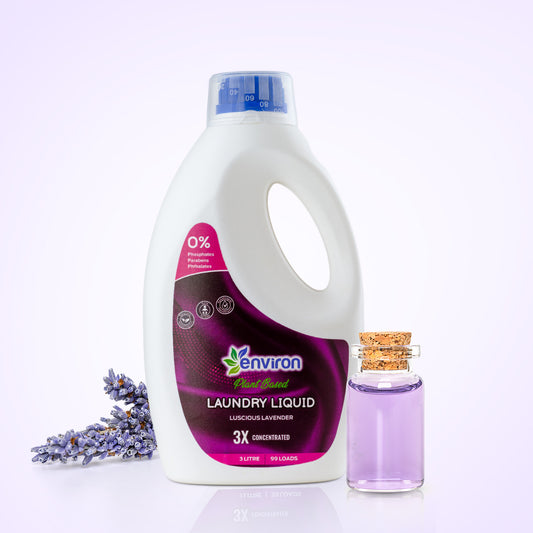
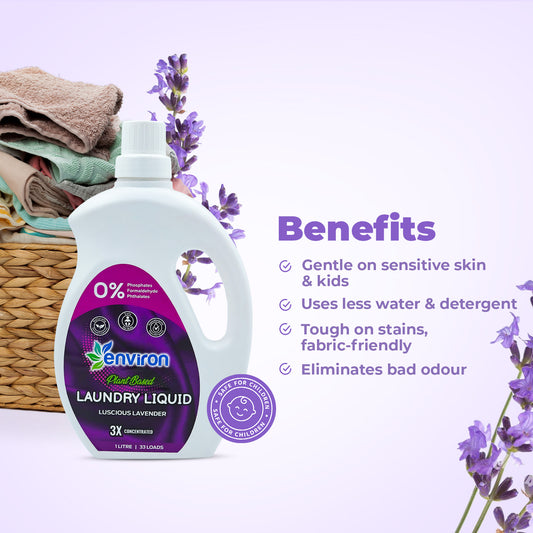
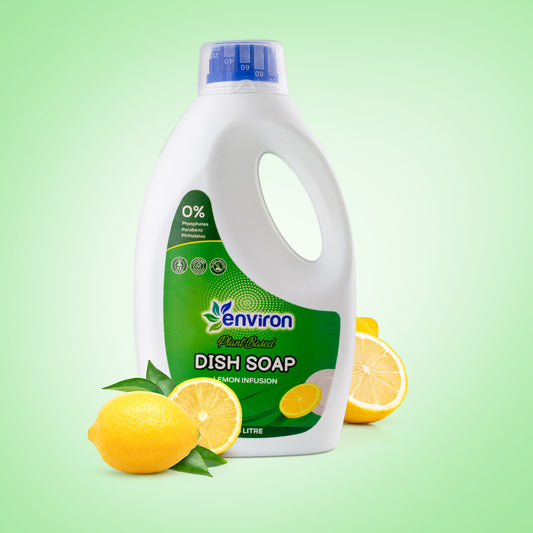
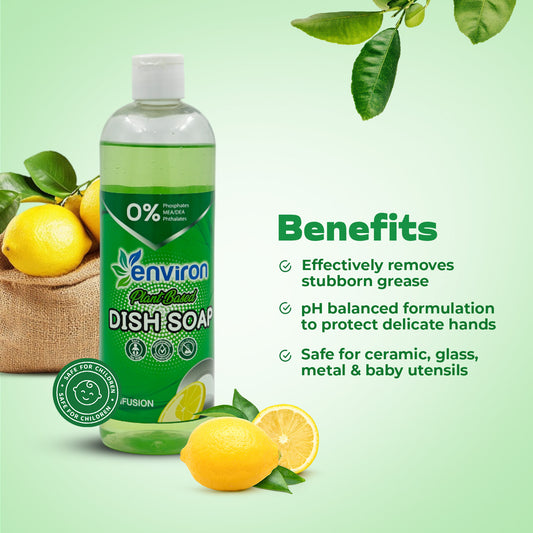
At Environ, we believe effective cleaning and everyday comfort should go hand in hand. Our plant-based cleaning products are formulated with plant-derived surfactants and enzymes to deliver powerful cleaning performance while taking a thoughtful approach to ingredient selection.
For products used on clothes, bedding, dishes, and household surfaces every day, we believe families should not have to choose between cleaning performance and household comfort. This philosophy guides the way we develop products for modern homes.
Our formulations are free from phthalates, parabens, bleach, ammonia, chlorine, formaldehyde, optical brighteners, dyes, and synthetic fragrances. They are designed for families who want effective cleaning while being more mindful of the products used around children, pets, sensitive skin, allergies, asthma, and everyday household living.
Our commitment to quality is reflected through GreenPro certification, IFRA-compliant fragrances, and WHO-GMP manufacturing practices, reinforcing our focus on responsible formulation, transparency, and trusted product performance.
As a Qatar-based brand, our goal is simple: to help families create a cleaner and more comfortable home environment.
Conclusion
When skin discomfort or breathing discomfort becomes a recurring concern at home, most people look to factors such as weather, dust, allergies, or seasonal changes. Cleaning products are rarely the first thing that comes to mind.
Yet these are products we use every day on the clothes we wear, the bedding we sleep on, the surfaces we touch, and the spaces we live in. As awareness around daily cleaning exposure continues to grow, more families are beginning to recognize that the products they clean with can be just as important as the results those products deliver.
Sometimes, creating a more comfortable home starts with taking a closer look at the products that are already part of everyday life.
If this article has made you think differently about the products used around your home every day, explore Environ's range of plant-based cleaning products designed for modern family living.
Frequently Asked Questions
Can cleaning products contribute to skin discomfort?
Yes, they can be one of several factors. Because cleaning products are used repeatedly on hands, clothing, bedding, and household surfaces, exposure can occur throughout the day. This is why some people begin to look more closely at their cleaning products when experiencing recurring dryness, redness, or skin sensitivity.
Can laundry detergent affect skin comfort?
Laundry detergents are used on fabrics that remain in direct contact with the skin for hours at a time. Unlike many household products that are used briefly, detergents become part of everyday exposure through clothing, towels, and bedding, making them an important consideration for people with sensitive skin.
Why do some people experience dry hands after cleaning?
Many cleaning products are formulated to break down grease, oils, and stubborn residues. Frequent contact can also remove some of the natural oils that help keep skin feeling comfortable, which is why hands may feel dry, rough, or tight after repeated cleaning.
Does a stronger cleaning smell mean a product cleans better?
No. A strong scent is usually related to the fragrance used in the product rather than its cleaning performance. While many people associate a strong smell with cleanliness, effective cleaning depends on the formulation and cleaning ingredients, not fragrance intensity.
Why do strong cleaning fragrances bother some people?
Strong fragrances can linger in indoor spaces long after cleaning is complete. While some people enjoy heavily scented products, others may find them overwhelming, particularly in enclosed environments or homes where family members are sensitive to strong smells.
Do plant-based cleaning products clean as effectively as conventional cleaners?
Modern plant-based cleaners use technologies such as plant-derived surfactants and enzymes to break down dirt, grease, and stains effectively. For many households, the difference lies more in ingredient philosophy and formulation approach than in cleaning capability.
Why are plant-based cleaning products becoming more popular?
Growing awareness around daily cleaning exposure has encouraged many families to look beyond cleaning performance alone. Consumers are increasingly interested in how products fit into their lifestyle, indoor environment, and overall household comfort.
What are plant-derived surfactants?
Plant-derived surfactants are cleaning agents sourced from plant-based materials. Their role is to lift and suspend dirt, grease, and oils so they can be washed away, making them a key component in many modern plant-based cleaning formulations.
Can cleaning products affect indoor air quality?
Some cleaning products release fragrances and airborne compounds that can remain noticeable after cleaning is complete, particularly in enclosed indoor spaces. This is one reason indoor air comfort is becoming an increasingly important consideration for many households.