
Quick Answer
Many families continue using the same household cleaning products for years out of habit. It is easy to assume that because a product has always been a part of the home, it automatically deserves to stay there. However, growing awareness around ingredient transparency and indoor air environments is driving a shift toward more intentional, informed product choices.
Key Takeaways
-
Familiarity influences cleaning product choices more than many people realise.
-
Household routines often continue long after family priorities have changed.
-
More people are paying attention to ingredient transparency and indoor environments.
-
Familiar products are not always the same as informed choices.
-
Modern home care is increasingly focused on balancing effective cleaning with intentional product selection.
Why Do We Buy the Same Household Cleaners Out of Habit?
Most people think carefully about major household purchases. They compare appliances, research furniture and spend time choosing food products. Yet the items used most frequently throughout the home often receive the least attention.
The same detergent goes into the washing machine every week. The same dishwashing liquid sits beside the sink. The same floor cleaner is used throughout the home. The same handwash remains beside the bathroom basin month after month.
For many families, these products simply become part of everyday life.
Once something works reasonably well, there is usually no reason to question it. Over time, a conscious decision slowly turns into a routine and that routine eventually becomes a habit.
That habit is what makes this topic so interesting.
The modern cleaning habit many families never question is not cleaning itself. It is continuing to use the same products simply because they have always been there.
Familiarity often becomes the reason people trust a product long after they have forgotten why they chose it in the first place.
Why Is It Difficult to Change Your Household Cleaning Routine?
Many families discover that their current cleaning products were chosen years ago and simply became part of the routine. Unlike phones, appliances or cars, household cleaners rarely receive the same level of attention once they become familiar.
Meanwhile, family needs, living environments, and personal preferences evolve. Yet the products used throughout the home often remain unchanged because the original decision is rarely revisited.
Why Are More Families Starting to Re-Evaluate Cleaning Formulations?
A noticeable shift is taking place in modern home care. Growing public conversations around indoor air quality and chemical ingredient transparency have made it easier to learn what actually goes into daily home care formulations.
Many conventional cleaners rely on legacy chemical formulations designed decades ago. Families are starting to realise that the everyday products they use can influence their indoor living environments and overall household experience in ways they may not have previously considered. This shift from automatic purchasing to intentional decision-making is prompting people to ask three critical questions:
-
What ingredients are in the products I use most often?
-
Do these formulations align with my family’s health preferences today?
-
Would I still choose this product if I were starting from scratch?
The Habit Trap: Familiarity vs. Informed Choice
Familiarity and informed choice are not the same thing.
A familiar product feels comfortable because it has always been part of the routine. An informed choice is based on whether that product still aligns with your family's current needs, preferences and priorities.
Sometimes the most valuable question is not whether a product works.
It is whether you would choose it again if you were making the decision today.
Why More Families Are Taking A Closer Look At What They Use Every Day
For many years, most people chose cleaning products based on visible results.
If clothes came out clean, dishes looked spotless, and floors smelled fresh, the product had done its job.
What many families did not think about was that these products become part of everyday life in ways that are easy to overlook.
This conversation is becoming increasingly relevant in Qatar, where families spend significant amounts of time in air-conditioned indoor environments throughout the year. As a result, the products used on clothing, household surfaces, and within the home environment often become a more noticeable part of everyday living.
Laundry detergents are used on clothes, bedsheets, towels and fabrics that remain in contact with the skin for hours every day. Dishwashing liquids are used on plates, cups, bottles, and utensils used by the entire family. Handwash liquids, kitchen cleaners, and floor cleaners are used repeatedly throughout the day and become part of the indoor environment where families spend most of their time.
As awareness around health, ingredients, and household wellness has grown, many families have started looking beyond cleaning performance alone.
One reason is that people are learning more about how some traditional cleaning products work. Many conventional formulations rely on stronger cleaning agents, heavy fragrances, and chemical-based ingredients designed to remove grease, stains, and dirt effectively.
For example, a shirt may look perfectly clean after washing, but traces of the detergent used during the wash cycle can remain on the fabric. For some people, especially those with sensitive skin, prolonged contact with these residues may contribute to discomfort such as itchiness, dryness, redness, or skin irritation.
A similar concern exists with products that come into direct contact with the hands every day. Handwash liquids, dishwashing liquids, and kitchen cleaners are specifically designed to break down oils, grease, and dirt. However, stronger cleaning formulations do not always distinguish between unwanted grease and the skin's natural protective oils.
As a result, frequent use can sometimes leave hands feeling dry, rough, tight, or uncomfortable. Many people have experienced this without ever connecting it to the products they use multiple times a day.
The same conversation is happening around heavily fragranced cleaning products. While some people enjoy strong scents, others find that intense fragrances can feel overpowering, particularly in enclosed indoor environments where families spend most of their time. People who are sensitive to fragrances, experience respiratory sensitivities, or simply prefer a lighter approach to home care are increasingly looking beyond fragrance alone when choosing cleaning products.
This growing awareness is changing how many families evaluate household cleaners. The question is no longer just whether a product removes dirt effectively. It is also whether the product fits comfortably into the home environment and aligns with the preferences of the people using it every day.
Why More Families Are Choosing Plant-Based Cleaning Products
As awareness grows, many families are looking for cleaning products that take a different approach.
Plant-based cleaners typically use plant-derived surfactants and thoughtfully selected ingredients to remove dirt, grease, and stains without relying on unnecessarily harsh formulations. Many also avoid the heavy fragrances and aggressive cleaning systems that some consumers are actively trying to move away from.
For people who are concerned about detergent residues on fabrics, dry hands after repeated washing, strong chemical smells, or the products used around children and sensitive skin, plant-based alternatives offer a practical option.
The appeal is simple: effective cleaning with ingredients that many families feel more comfortable using every day.
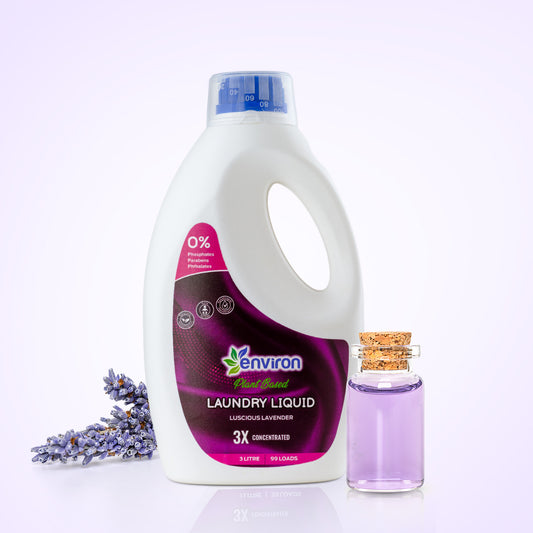
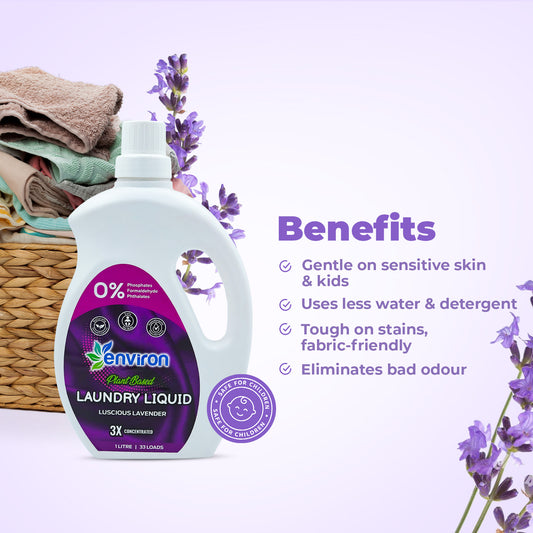
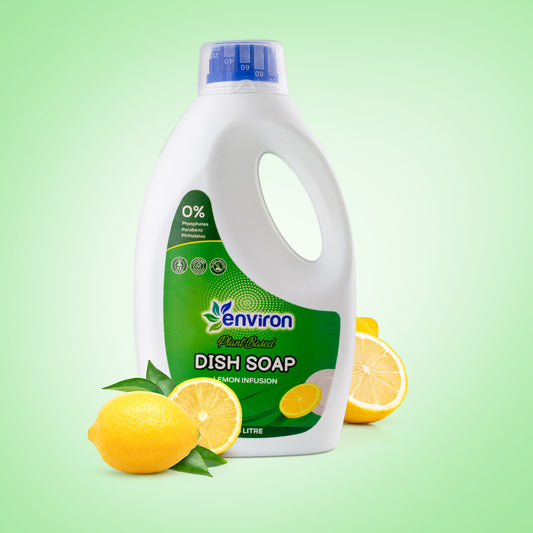
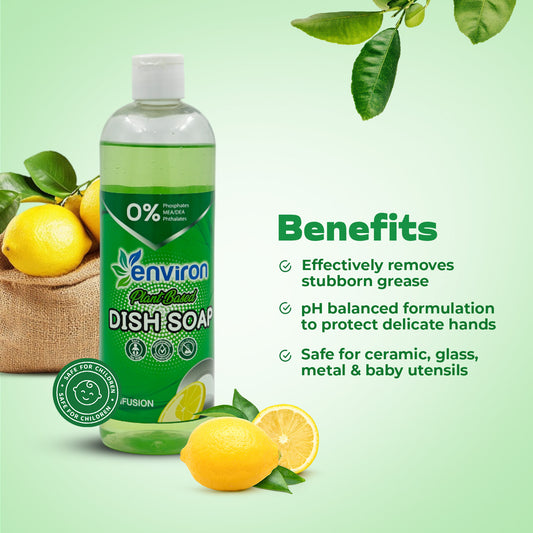
This shift is one of the reasons Environ was created. As more families began looking for alternatives to conventional cleaning products, interest grew in solutions that combine effective cleaning with plant-based ingredients, non-toxic formulations, and a more thoughtful approach to everyday home care.
The Environ Perspective
At Environ, we believe that effective cleaning should not come at the cost of everyday comfort.
That belief is reflected in every product we create. Rather than relying on unnecessarily harsh formulations, our products are developed using plant-based ingredients, plant-derived surfactants, and non-toxic formulations designed for modern households.
From laundry detergent and dishwashing liquid to floor cleaner and handwash, every product is created with the same goal: helping families clean effectively while making more conscious choices about what they use every day.
As a Qatar-based brand founded in 2021, Environ was built around a simple idea: household cleaning products should work well, feel comfortable to use, and fit naturally into the lives of families who are becoming more mindful about their homes and the products they bring into them.
Our commitment to quality is supported by recognised certifications and standards, including GreenPro certification, IFRA-compliant fragrances, and WHO-GMP manufacturing practices. These reflect our focus on creating products that combine cleaning performance with a more thoughtful approach to everyday home care.
For us, cleaning is not just about removing dirt.
It is about helping families make informed choices about the products they use every day and creating homes that feel clean, comfortable, and cared for.
Ready to Make the Switch?
Small changes can make a big difference. Start with the products you use most often and discover how plant-based cleaning can fit naturally into your daily routine.
The One Cleaning Habit Worth Re-Evaluating
There is nothing wrong with familiarity.
The problem begins when familiarity becomes the only reason a product remains part of your home.
The modern cleaning habit many families never question is assuming that because a product has always been there, it automatically deserves to stay there.
Today, more families are taking a closer look at the products they use every day, asking better questions, and making more informed choices.
Sometimes the most meaningful change is not cleaning more.
It is simply taking a closer look at the products you have stopped thinking about.
You May Also Find This Helpful
If you're taking a closer look at the products you use every day, you may also want to read:
Kids' Health Risks From Cleaning Products
FAQs
What is detergent residue?
Detergent residue refers to small amounts of detergent that may remain on clothing after washing. This can happen when too much detergent is used, the washing machine is overloaded, or clothes are not rinsed thoroughly. Residue can sometimes affect fabric feel, trap odours, or contribute to skin discomfort in sensitive individuals.
Can detergent residue stay on clothes after washing?
Yes, detergent residue can remain on clothes after washing if excess detergent is used or rinsing is insufficient. Factors such as water temperature, load size, detergent quantity, and washing machine performance can influence how effectively detergent is removed during the wash cycle.
Why do some people experience skin irritation even after wearing freshly washed clothes?
Skin irritation after wearing freshly washed clothes can be linked to several factors, including detergent residue, fragrance ingredients, fabric conditioners, allergies, or pre-existing skin sensitivities. People with sensitive skin may be more likely to notice discomfort caused by these factors.
Is using more detergent better for cleaning clothes?
No, using more detergent does not necessarily result in cleaner clothes. Excess detergent can create additional suds, make rinsing more difficult, and increase the chances of residue remaining on fabrics. Following the recommended dosage is usually the most effective approach.
Can cleaning products affect indoor air quality?
Cleaning products can influence indoor air quality because certain ingredients and fragrances may release compounds into the air during and after use. Proper ventilation and selecting products designed for regular household use can help maintain a more comfortable indoor environment.
Why do allergies sometimes continue despite regular home cleaning?
Allergies can continue even in regularly cleaned homes because allergens may come from multiple sources, including dust, pollen, pet dander, bedding, upholstery, carpets and outdoor air. Cleaning is important, but it is only one part of reducing allergen exposure inside the home.
Are strong fragrances a sign of better cleaning performance?
No, a strong fragrance does not indicate better cleaning performance. A product’s effectiveness depends on its ability to remove dirt, stains, and grease rather than the intensity of its scent. Cleanliness and fragrance are two separate factors.
Can dishwashing liquid remain on plates and utensils after rinsing?
Dishwashing liquid is designed to be rinsed away with water. However, inadequate rinsing may leave traces behind. Thorough rinsing helps ensure that plates, glasses, and utensils are properly cleaned before use.
What should families consider when choosing cleaning products for homes with children?
Families often consider ingredient transparency, intended product use, fragrance preferences, cleaning effectiveness, and everyday household needs when selecting cleaning products. Following usage instructions and storing products safely are also important considerations.
Why are more families rethinking their everyday cleaning habits?
Many families are paying closer attention to the products they use daily because cleaning products come into regular contact with clothes, dishes, floors, kitchens, and hands. This has encouraged some households to review their cleaning routines and product choices more carefully.
Are plant-based detergents a better choice for health-conscious families?
Plant-based detergents are often chosen by health-conscious families because they are designed for everyday cleaning while offering greater ingredient transparency. Many households prefer to understand what they use on clothing, bedding, and fabrics that come into regular contact with family members. Choosing a detergent ultimately depends on cleaning needs, personal preferences, and household priorities.
Why do clothes sometimes smell clean but still feel uncomfortable to wear?
A fresh scent does not always guarantee comfort. Factors such as detergent buildup, fabric conditioner residue, trapped moisture, fabric type, or individual skin sensitivity can influence how clothes feel after washing, even when they smell freshly cleaned.
Can everyday cleaning habits contribute to unnecessary chemical exposure?
Everyday exposure can come from multiple household sources, including detergents, floor cleaners, dishwashing liquids, air fresheners, and personal care products. Reviewing cleaning habits and using products according to their intended instructions can help families make informed decisions about their daily routines.