
Quick Answer
Common eczema triggers at home often include everyday cleaning products such as detergent, laundry Detergent, handwash, Dishwashing liquid, washing liquid for clothes and fabric softner. Repeated skin contact with residue, fragrance compounds and harsh cleansing formulations left on clothes, bedding, utensils and hands may gradually increase dryness, itching and irritation for eczema-prone skin. Choosing gentler, pH-balanced, non-toxic cleaning products designed for regular use may help reduce repeated irritation during everyday cleaning routines.
Everyday Cleaning Products That May Trigger Eczema at Home
Many people living with eczema blame weather changes, heat, dust or stress when flare-ups keep returning. In Qatar, where air conditioning runs throughout most of the day and people spend more time indoors, skin discomfort often feels difficult to avoid.
But one of the most overlooked triggers is repeated exposure to everyday cleaning products used throughout the home.
Your skin comes into contact with detergent, handwash, dishwashing liquid, washed clothes, towels, bedding and cleaned surfaces every single day. While these products are designed to clean effectively, repeated contact with certain formulations can gradually affect the skin barrier over time.
Many cleaning products contain aggressive cleansing agents, synthetic fragrances and strong chemical formulations designed to remove grease, stains and bacteria quickly. While effective for cleaning, repeated exposure may strip away natural protective oils from the skin, weaken the moisture barrier and increase sensitivity over time.
For eczema-prone skin, this repeated exposure matters more than most people realise.
Why Eczema-Prone Skin Reacts More Easily Over Time?
Eczema-prone skin has a more sensitive protective barrier, which means repeated exposure to certain cleaning formulations may cause irritation more easily over time.
Dryness, itching, tightness and discomfort often develop gradually through everyday cleaning routines rather than from one single exposure.
Many people focus only on skincare while overlooking how daily contact with household cleaning products may also contribute to irritation.
How Frequent Handwashing May Trigger Eczema Irritation?
Handwashing is one of the most frequent forms of skin contact during the day.
From washing hands after coming home to repeated use before meals, after cleaning or throughout work routines, the skin on your hands experiences continuous exposure to handwash and handwash liquid formulations.
Many conventional handwash products are designed to remove oil, dirt and bacteria quickly. In the process, they may also affect the natural oils that help keep your skin comfortable and protected.
This repeated wash-dry cycle can gradually weaken the skin barrier, especially around:
-
Fingers
-
Knuckles
-
Wrists
-
Areas around the nails
Warm water combined with frequent washing often increases dryness even further.
For eczema-prone skin, repeated daily exposure can gradually increase dryness and irritation.
How Laundry Detergent and Fabric Residue May Trigger Eczema?
Most people never think about their clothes as a possible eczema trigger.
But fabrics remain in contact with your skin for hours every day. This makes laundry Detergent and washing liquid some of the most important household products for sensitive skin routines.
Many people use washing liquid for clothes every day without realising how frequently fabrics remain in contact with their skin afterwards. If residue from laundry Detergent or fragrance-heavy formulations remains in the fabric, that exposure continues through clothing, towels and bedding for hours at a time.
Many detergents are designed to remove stains and odours aggressively. Some formulations may leave behind residue or fragrance compounds that continue interacting with the skin through clothing, towels and bedding.
For someone with eczema-prone skin, this prolonged contact matters.
Clothes behave like a second layer of skin. Anything left in the fabric remains close to the body for long periods throughout the day and night.
Fabric conditioner and fabric softner products also deserve attention because they are specifically designed to stay on fabrics after washing. While this helps clothes feel softer or smell stronger, it also increases continuous skin contact with whatever remains in the fabric.
Fragrance-heavy laundry products are also designed to leave a long-lasting scent on fabrics. For sensitive skin, this means the skin may remain in continuous contact with fragrance compounds throughout the day.
Signs your laundry routine may be affecting your skin include:
-
Itching after wearing freshly washed clothes
-
Irritation around areas where fabric rubs repeatedly
-
Discomfort during sleep from bedding contact
-
Skin feels worse after laundry day
How Dishwashing Liquid May Affect Eczema-Prone Skin?
Dishwashing usually involves longer and more direct skin contact than most people realise.
During daily cleaning, hands remain exposed to dishwashing liquid and dish soap for extended periods while removing grease, food residue and oil.
Many dishwashing products use strong grease-removing formulations to break down stubborn residue quickly. While effective for cleaning utensils, repeated exposure can also affect the skin’s natural protective oils.
This is why hands often feel:
-
Tight after washing dishes
-
Dry around the fingertips
-
Rough after repeated kitchen cleaning
-
More irritated after long washing sessions
The combination of warm water, repeated friction and prolonged exposure to cleaning formulations can make discomfort worse for eczema-prone skin.
Signs Your Cleaning Products May Be Triggering Irritation
Sometimes the signs appear slowly enough that people do not immediately connect them to their daily cleaning routines.
Common signs include:
-
Dryness that keeps returning despite moisturiser use
-
Tightness after frequent handwash use
-
Itching after wearing freshly washed clothes
-
Irritation around fingers and knuckles
-
Skin discomfort after dishwashing
-
Sensitivity that feels worse indoors
Because these exposures happen repeatedly throughout the day, irritation often builds gradually instead of appearing all at once.
You may also find it helpful to read how repeated exposure to everyday cleaning products may affect children’s health at home
How to Reduce Everyday Eczema Triggers at Home
Reducing irritation often starts with looking at your entire daily routine instead of focusing on one product alone.
Helpful changes may include:
-
Paying attention to products used multiple times daily
-
Choosing formulations designed for regular skin contact
-
Reducing unnecessary fragrance-heavy exposure
-
Using products that rinse away more effectively
-
Choosing products that feel comfortable during repeated use
Small routine changes across multiple contact points can make a noticeable difference over time.
What Cleaning Products Are Better for Eczema-Prone Skin?
For eczema-prone households, choosing cleaning products is not only about cleaning performance. It is also about repeated skin exposure.
Products designed for sensitive skin routines are often formulated with a gentler approach to daily use.
Many conventional cleaning products prioritise aggressive grease removal, strong fragrance retention or intense stain cleaning performance. While effective for cleaning, repeated exposure to these formulations may feel uncomfortable for eczema-prone skin over time.
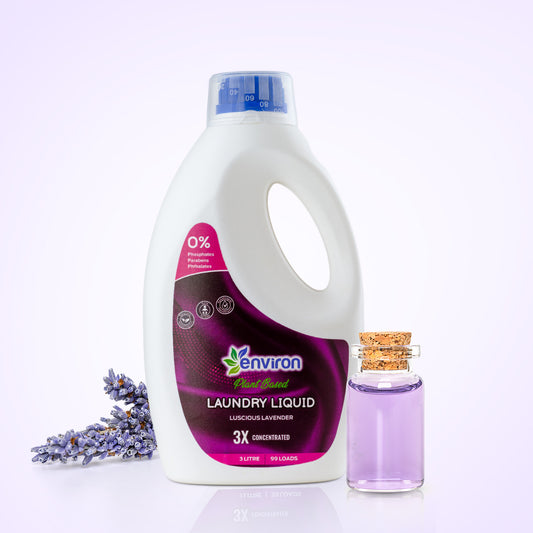
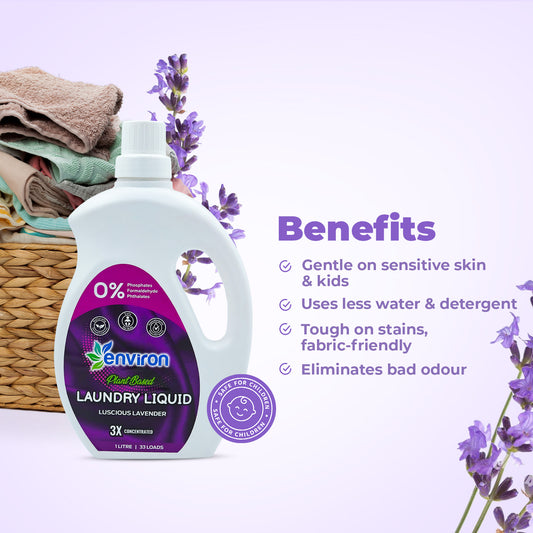
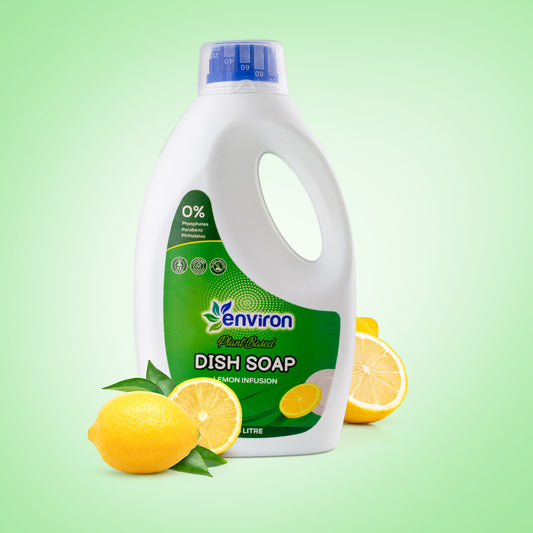
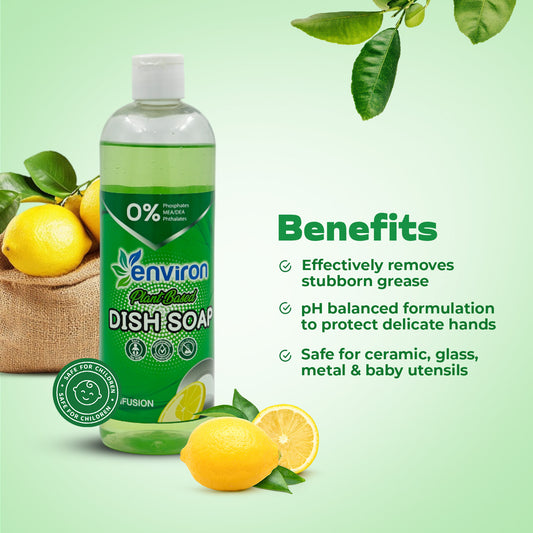
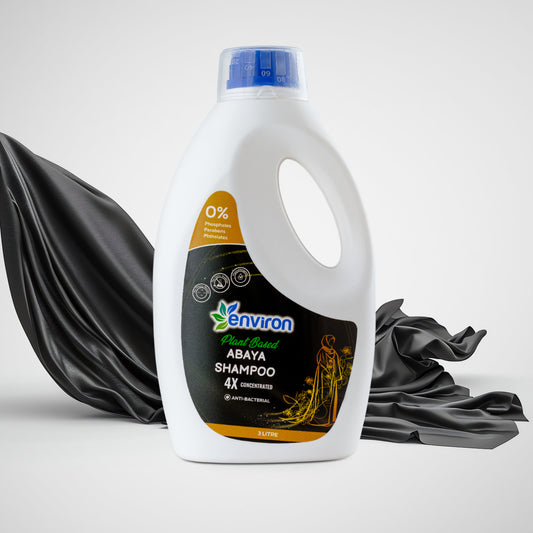
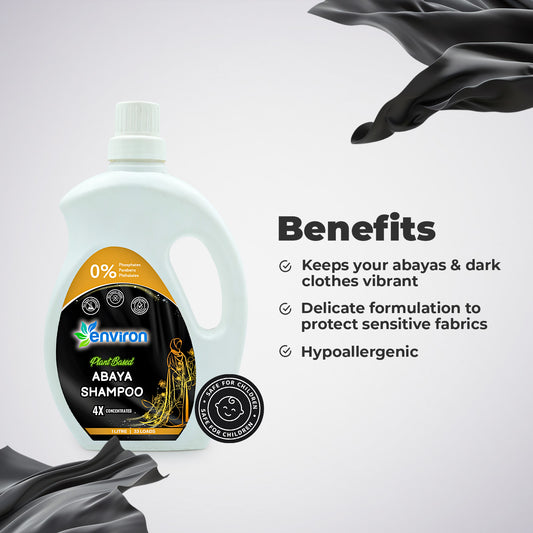
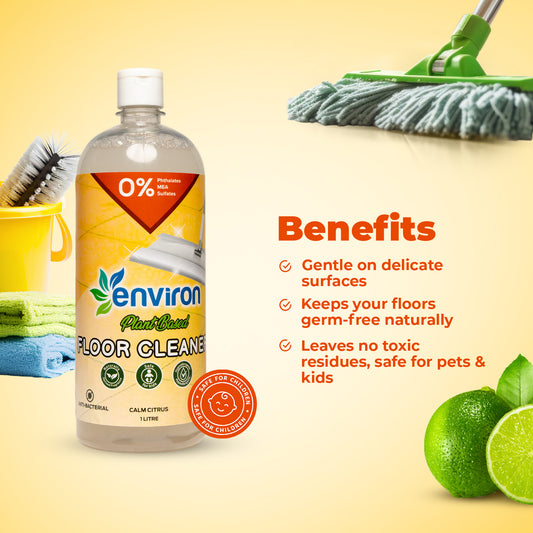
Plant-based and non-toxic detergents like Environ are designed differently, focusing on effective daily cleaning while being gentler during repeated skin contact across hands, clothes and household surfaces.
Many people now prefer plant-based and non-toxic cleaning products because they focus on maintaining skin comfort during repeated exposure while still cleaning effectively.
When choosing cleaning products, look for:
-
pH-balanced formulations
-
Mild fragrance or fragrance-free options
-
Products designed for regular daily use
-
Formulations focused on skin comfort
-
Cleaning products that rinse away properly
Environ follows this approach through non-toxic, plant-based formulations designed for regular home use. Certifications such as GreenPro, IFRA and WHO-GMP also reflect controlled standards for formulation quality and product consistency.
Explore Environ’s range of non-toxic, plant-based cleaning products designed for regular daily use and focused on skin comfort during repeated household exposure.
Final Thought
Eczema triggers are not always obvious.
Sometimes the problem is not one major reaction but repeated exposure happening quietly throughout everyday routines.
Handwash, liquid detergent, dishwashing liquid, fabric conditioner and other household cleaning products all become part of your skin’s environment over time.
For eczema-prone skin, small daily exposures can gradually add up.
Paying attention to the products used on your hands, clothes and household surfaces may help reduce repeated irritation and support a more comfortable daily routine.